

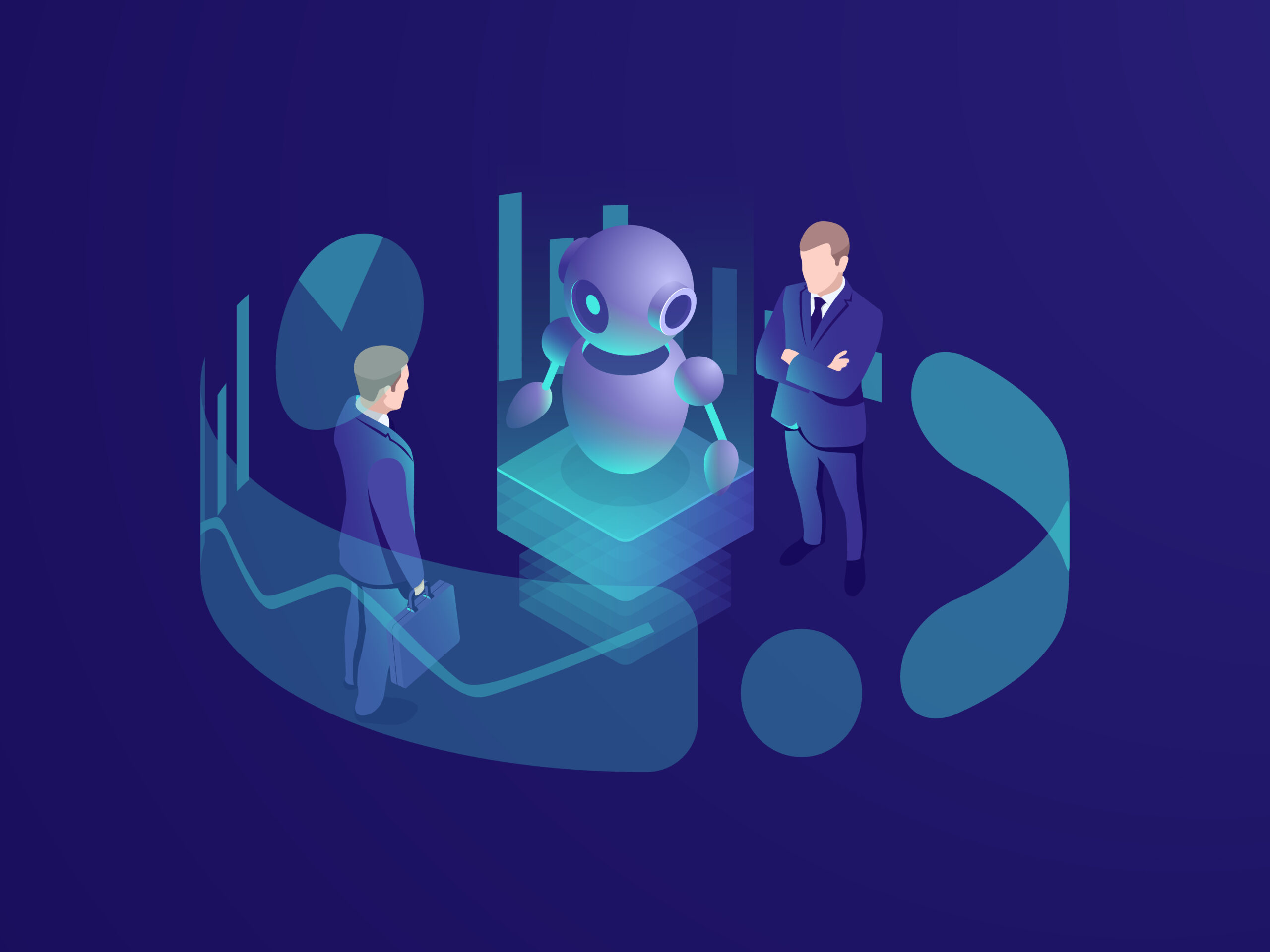
How AI Is Transforming Small Businesses in 2026
Automation, Chatbots, CRM, and Marketing Use Cases That Deliver Real ROI
Introduction: AI Is No Longer Optional for Small Businesses
In 2026, artificial intelligence (AI) is no longer a futuristic concept reserved for large enterprises with massive budgets. It has become a core operational advantage for small businesses across industries. From local service providers and eCommerce brands to SaaS startups and digital agencies, AI is now deeply embedded in how businesses operate, sell, and scale.
What makes this shift significant is not just adoption—but return on investment (ROI). Small businesses are no longer experimenting with AI for novelty. They are deploying it strategically to reduce costs, automate repetitive work, improve customer experience, and increase revenue.
This article explores how AI is transforming small businesses in 2026, with a sharp focus on four high-impact areas:
Automation
AI Chatbots
AI-powered CRM
AI-driven Marketing
Each section explains practical use cases, real business benefits, and measurable ROI outcomes, making this a conversion-focused guide rather than theoretical commentary.
Why AI Adoption Is Accelerating Among Small Businesses
Before diving into specific use cases, it’s important to understand why AI adoption has surged so rapidly among small businesses in 2026.
Key Drivers of AI Growth in Small Businesses
Lower Cost of AI Tools
AI platforms that once cost thousands of dollars per month are now available on freemium or affordable subscription models.No-Code and Low-Code AI Solutions
Small business owners no longer need technical teams. AI tools now integrate with websites, CRMs, and apps using drag-and-drop interfaces.Immediate ROI Visibility
AI directly impacts lead generation, customer support, ad performance, and operational efficiency—areas where ROI is easy to measure.Competitive Pressure
Businesses using AI respond faster, market smarter, and operate leaner. Those that don’t adopt risk being outperformed.Customer Expectations Have Changed
Customers now expect instant responses, personalized experiences, and 24/7 availability—something AI enables efficiently.
1. AI Automation: Doing More With Fewer Resources
What Is AI Automation?
AI automation refers to the use of machine learning and intelligent workflows to handle repetitive, rule-based, and data-driven tasks without human intervention.
In 2026, AI automation goes beyond simple task scheduling. It now includes decision-making, predictive actions, and self-improving workflows.
High-ROI Automation Use Cases for Small Businesses
1. Administrative Task Automation
Small businesses waste countless hours on manual admin work such as:
Data entry
Invoice generation
Appointment scheduling
Email sorting
Report creation
AI tools now automate these tasks end-to-end.
ROI Impact
30–60% reduction in admin workload
Lower staffing costs
Faster turnaround times
2. Sales Process Automation
AI automates key sales activities:
Lead qualification
Follow-up emails
Proposal generation
Deal probability prediction
Instead of manually chasing leads, sales teams focus only on high-intent prospects.
ROI Impact
Higher conversion rates
Shorter sales cycles
Increased revenue per salesperson
3. Operations and Workflow Optimization
AI analyzes internal processes to identify inefficiencies, bottlenecks, and delays.
Examples include:
Inventory restocking predictions
Order fulfillment optimization
Workforce scheduling
ROI Impact
Reduced operational waste
Improved cash flow
Predictable scaling
Why Automation Delivers Immediate ROI
AI automation directly replaces time-consuming human labor with intelligent systems. This makes it one of the fastest ways for small businesses to see tangible financial benefits.
2. AI Chatbots: From Customer Support to Revenue Generation
The Evolution of AI Chatbots in 2026
Chatbots in 2026 are not basic FAQ bots. They are conversational AI systems capable of:
Understanding intent
Handling complex queries
Personalizing responses
Driving sales conversations
They function as virtual sales assistants and support agents.
Key AI Chatbot Use Cases for Small Businesses
1. 24/7 Customer Support
AI chatbots handle:
Common questions
Order tracking
Refund and policy queries
Troubleshooting
This eliminates the need for round-the-clock human support.
ROI Impact
Reduced support costs
Faster response times
Higher customer satisfaction
2. Lead Qualification and Sales Chat
AI chatbots engage website visitors by:
Asking qualifying questions
Understanding user intent
Recommending products or services
Booking consultations
Instead of static contact forms, businesses use interactive AI conversations.
ROI Impact
Higher lead conversion rates
Lower bounce rates
Increased average order value
3. Personalized Customer Journeys
Chatbots personalize interactions based on:
User behavior
Past purchases
Location and preferences
This creates a tailored experience for each visitor.
ROI Impact
Improved retention
Increased lifetime value (LTV)
Why Chatbots Are High-Converting Assets
Unlike human agents, AI chatbots:
Never sleep
Scale instantly
Respond consistently
They convert passive visitors into active leads in real time.

3. AI-Powered CRM: Smarter Customer Relationships
What Is an AI-Driven CRM?
Traditional CRMs store data.
AI-powered CRMs analyze data, predict outcomes, and recommend actions.
In 2026, CRMs are no longer passive databases—they are decision engines.
1. Predictive Lead Scoring
AI evaluates leads based on:
Behavior
Engagement
Demographics
Past conversions
It predicts which leads are most likely to convert.
ROI Impact
Sales teams focus on high-value leads
Reduced acquisition cost
Higher close rates
2. Automated Follow-Ups and Nurturing
AI automatically sends:
Personalized emails
WhatsApp messages
SMS reminders
Timing and content are optimized based on user behavior.
ROI Impact
Improved engagement
Increased pipeline velocity
3. Customer Retention and Churn Prediction
AI detects early signs of churn and triggers proactive actions such as:
Special offers
Support outreach
Loyalty incentives
ROI Impact
Lower churn rates
Higher customer lifetime value
Why AI CRM Is a Growth Multiplier
AI CRMs turn raw customer data into actionable insights, allowing small businesses to compete with enterprise-level sales intelligence.
4. AI Marketing: Precision, Personalization, and Performance
The Shift From Traditional to AI-Driven Marketing
Marketing in 2026 is no longer about guesswork. AI analyzes massive datasets to determine:
What to say
Who to target
When to publish
Where to spend budget
This results in performance-driven marketing strategies.
1. AI Content Creation and Optimization
AI tools generate:
Blog posts
Ad copy
Email campaigns
Social media captions
They also optimize content for SEO, readability, and conversion.
ROI Impact
Reduced content production costs
Higher organic traffic
Improved engagement
2. AI-Powered Advertising
AI optimizes:
Ad targeting
Creative variations
Budget allocation
Bid strategies
Campaigns self-adjust in real time based on performance.
ROI Impact
Lower cost per lead (CPL)
Higher ROAS (Return on Ad Spend)
3. Personalization at Scale
AI personalizes:
Website content
Email sequences
Product recommendations
Each user sees a unique experience.
ROI Impact
Higher conversion rates
Improved retention
Why AI Marketing Outperforms Manual Efforts
AI removes emotional bias and human error, focusing purely on data-driven decisions that maximize ROI.
Measuring ROI: How Small Businesses Track AI Success
To ensure AI investments pay off, businesses in 2026 track metrics such as:
Cost savings from automation
Lead conversion rates
Customer acquisition cost (CAC)
Lifetime value (LTV)
Support response times
Revenue per employee
AI tools often include built-in analytics dashboards, making ROI measurement transparent.
Common AI Adoption Mistakes to Avoid
Using Too Many Tools Without Strategy
Ignoring Data Quality
Expecting Instant Results Without Optimization
Not Training Teams to Work With AI
Successful businesses treat AI as a long-term growth system, not a one-time feature.
The Future Outlook: AI as a Competitive Necessity
By the end of 2026, AI will no longer be a differentiator—it will be a baseline requirement. Businesses that integrate AI deeply into operations, sales, and marketing will:
Scale faster
Operate leaner
Deliver superior customer experiences
Those that delay adoption risk falling behind more agile, AI-powered competitors.
Conclusion: AI Is the Smartest Investment for Small Businesses in 2026
AI is transforming small businesses by delivering measurable ROI across automation, chatbots, CRM, and marketing. What was once complex and expensive is now accessible, affordable, and essential.
Small businesses that embrace AI strategically gain:
Time freedom
Operational efficiency
Revenue growth
Competitive advantage

Future of Healthcare Technology in 2026
Today, the combination of technology and healthcare has become one of the fastest-growing markets in the world. In 2026, HealthTech






2 Comments
[…] How AI Is Transforming Small Businesses […]
[…] How AI Is Transforming Small Businesses […]