Static Website vs AI SaaS Website: What Should You Choose in 2026?
In the modern digital economy, choosing the right website architecture directly affects business growth, scalability, customer engagement, and revenue generation. Traditionally, businesses relied on static websites—simple HTML-based platforms displaying fixed content. However, the rapid growth of Artificial Intelligence and Software-as-a-Service (SaaS) platforms has introduced a new category: AI-powered SaaS websites, capable of delivering personalized experiences, automation, predictive analytics, and intelligent user interaction.
Many startups, agencies, and entrepreneurs face a critical decision: Should you build a static website or invest in an AI SaaS–based website? The answer depends on your business goals, budget, scalability needs, and long-term strategy.
This comprehensive guide explains the differences, advantages, disadvantages, cost factors, scalability considerations, and ideal use cases of both models, helping you make an informed decision.
What Is a Static Website?
A static website consists of fixed web pages created using HTML, CSS, and sometimes minimal JavaScript. Each page displays the same content to every visitor unless manually updated by a developer.
Key Characteristics
Fixed content structure
Minimal server-side processing
Faster loading speeds
Lower hosting costs
Limited interactivity
Manual updates required
Static websites are commonly used for:
Business portfolio sites
Informational websites
Landing pages
Small service company websites
Personal blogs
What Is an AI SaaS Website?
An AI SaaS website is a dynamic, cloud-based platform that integrates artificial intelligence features such as personalization, automation, predictive analytics, smart dashboards, AI chatbots, recommendation engines, and automated workflows. These websites function not only as marketing platforms but also as software products delivering services online.
Key Characteristics
Dynamic content generation
User personalization
AI-powered automation
Subscription-based access
Real-time data processing
High scalability
Common examples include:
AI writing tools
CRM platforms
Automation software
Analytics dashboards
AI chatbot services
SaaS productivity tools
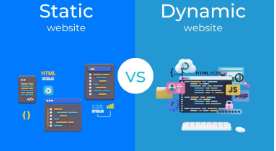
Static Website vs AI SaaS Website: Core Differences
| Feature | Static Website | AI SaaS Website |
|---|---|---|
| Content | Fixed | Dynamic and personalized |
| Development Complexity | Low | High |
| Hosting Cost | Low | Medium to high |
| User Interaction | Limited | Advanced and interactive |
| Scalability | Limited | Highly scalable |
| Automation | None | AI-driven automation |
| Revenue Model | Informational / service leads | Subscription-based recurring revenue |
| Maintenance | Minimal | Continuous updates required |
| Performance | Very fast | Depends on infrastructure |
| Business Growth Potential | Moderate | High |
Advantages of Static Websites
1. Low Development Cost
Static websites are significantly cheaper to build compared to AI SaaS platforms, making them ideal for startups with limited budgets.
2. Faster Loading Speed
Since static websites do not require heavy backend processing, they load extremely fast, improving user experience and SEO performance.
3. Easy Hosting and Deployment
Static websites can be hosted on low-cost servers or platforms like GitHub Pages, Netlify, or Vercel.
4. High Security
Without complex backend systems or databases, static websites have fewer vulnerabilities.
5. Simple Maintenance
Updates are straightforward and require minimal ongoing management.
Limitations of Static Websites
No automation or AI capabilities
Limited personalization
No subscription-based revenue features
Difficult to scale into software products
Limited engagement features
Manual content updates
Static websites are best suited for information delivery rather than digital product ecosystems.
Advantages of AI SaaS Websites
1. Recurring Revenue Opportunities
AI SaaS platforms allow businesses to generate monthly or yearly subscription revenue, creating predictable cash flow.
2. High Scalability
Cloud infrastructure enables rapid scaling to thousands or millions of users.
3. Intelligent Automation
AI systems automate customer support, analytics, marketing workflows, and user engagement.
4. Personalization
Users receive customized dashboards, recommendations, and experiences based on behavior and preferences.
5. Competitive Market Advantage
AI-driven platforms position businesses as technology leaders, increasing market credibility.
Limitations of AI SaaS Websites
Higher development cost
Continuous server and maintenance expenses
Requires technical infrastructure
Longer development timeline
Needs product management and updates
Despite these challenges, AI SaaS platforms provide significantly greater long-term growth potential.
Cost Comparison (2026 Estimated)
| Category | Static Website | AI SaaS Website |
|---|---|---|
| Development Cost | $100 – $1,500 | $5,000 – $50,000+ |
| Hosting Cost | $3 – $20/month | $50 – $1,000+/month |
| Maintenance | Minimal | Continuous |
| Upgrade Cost | Low | Medium to high |
Although AI SaaS websites require larger investment, their revenue potential is exponentially higher.
Which Businesses Should Choose a Static Website?
Static websites are ideal for:
Local service businesses
Freelancers
Portfolio websites
Small informational sites
Landing pages for campaigns
Small startups validating initial ideas
If your primary goal is online presence and lead generation, a static website is sufficient.
Which Businesses Should Choose an AI SaaS Website?
AI SaaS platforms are ideal for:
Technology startups
SaaS product companies
Automation software businesses
AI tool providers
Subscription-based services
Digital product ecosystems
If your goal is scalable recurring revenue, an AI SaaS website is the superior choice.
Hybrid Approach: Best Strategy for Many Businesses
Many modern companies adopt a hybrid strategy:
Static marketing website for SEO traffic
AI SaaS platform for product delivery
Chatbots and automation integrated into marketing pages
Lead generation funnels connected to AI dashboards
This combination balances cost efficiency, scalability, and conversion optimization.
Future Trends (2026–2030)
Web development is shifting rapidly toward intelligent platforms. Key trends include:
AI-generated websites with auto-updating content
Predictive personalization engines
Conversational AI interfaces replacing traditional forms
Automated website optimization systems
Subscription-based web services replacing static digital presence
Businesses relying only on static websites may gradually lose competitive advantage as interactive AI experiences become industry standards.
Decision Framework: How to Choose
Ask these strategic questions:
Do you want recurring subscription revenue?
Do you need automation or AI features?
Will your product scale to thousands of users?
Is your budget sufficient for SaaS infrastructure?
Are you building a service website or a software product?
If most answers are “Yes”, an AI SaaS website is the correct investment.
Conclusion
The choice between a static website and an AI SaaS website depends primarily on business goals, scalability requirements, and long-term revenue strategy. Static websites remain an excellent solution for basic online presence, fast deployment, and low-cost marketing. However, organizations aiming for rapid scaling, automation, personalization, and subscription-based income should invest in AI SaaS platforms.
As artificial intelligence continues transforming digital experiences, AI-powered SaaS websites are becoming the dominant model for innovative businesses seeking sustainable competitive advantage. Companies that strategically adopt intelligent platforms early will benefit from higher engagement, improved operational efficiency, and significantly stronger long-term revenue potential.

How to Integrate an AI Chatbot into Your Website
Artificial intelligence chatbots have rapidly evolved from simple scripted responders into advanced conversational