


AI Companionship: How AI Is Filling the Loneliness Gap:
AI chatbots have become so powerful that they are not just a business tool, but people have now started considering them as their friends, confidants, and sometimes even romantic partners.
Jamie Sundvall says that as AI is being integrated into social media platforms, it has become easier for people to share discussions, ideas, and personal conversations with AI. The AI companion industry is growing very fast, so that at least millions of people discuss ideas, get emotional support, and share their feelings with AI chatbots.
According to Sundvall, the market for AI emotional bonding tools will grow even more in a few years. He stated that Human AI will maintain a balance between ethical, safe, and development when asked about the emotional nature of human AI.
Safety concerns have become even more important, especially after new research from Northeastern University.
This study suggests that some LLMs (Large Language Models), despite their safety features, can provide detailed information about self-harm and suicide, even in an academic tone.
How AI Companions Are Changing the Way People Connect Emotionally :
People are becoming emotionally attached to AI. While the exact reason is difficult to pinpoint, every human has emotional attachments. Sundyal explained that these reasons could be due to reasons such as companionship, curiosity, therapy, or the excitement of experiencing something new.
He says that some of his patients have told him that they connect with AI emotionally because they feel lonely and need someone to share their thoughts and emotions with. Therefore, most people connect with AI emotionally. They share their problems, and some even seek emotional support and advice from AI and work on social skills.
But he also warned that without human oversight and protective governance, these AI relationships can be both beneficial and harmful—especially when it comes to children, teenagers, or vulnerable groups.
“AI chatbots can sometimes exhibit discriminatory behavior, promote popular but harmful trends, and make false (hallucinated) recommendations that can lead to harmful decisions. They can also increase isolation, which can worsen anxiety and depression,” he said.
How AI Triggers Human Delusions :
Jamie Sundvall describes that while there is no official medical diagnosis of “AI psychosis,” clinical cases have shown that people who are using AI excessively tend to have disorganized thinking, delusional thinking, and a tendency to become detached from reality.
He alret that this issue has become increasingly serious, with hospitalizations of psychotic behavior related to professional use of AI on the rise.
On the face of it, using AI to avoid loneliness may seem like a good idea, but Sundyal says that people who become overly dependent on AI emotional intelligence are at increased risk of developing mental health issues like depression and even becoming disconnected from reality.
Using AI to Overcome Loneliness :
April Davis, founder of Luma Luxury Matchmaking and also a celebrity, has a slightly more practical point of view on the emotional connection between AI and humans.
According to her, AI can copy human words but it cannot replace human emotional connection, the evolution of one’s feelings and imperfections is what makes love meaningful.
And she also says that having an AI companion can disturb a person’s real relationship expectations, this can cause problems in human relationships, hence it is wrong to ignore one’s emotions. They explained that people who emotionally connect with AI are experiencing loneliness, and that those who date and spend time with digital partners are doing so because they lack real-world support.
The AI partner creates a one-sided emotional bond where humans cannot learn qualities like patience, empathy, and compromise.
The AI partner requires no emotional effort, making the relationship artificially easy, but in reality, it is harmful.”
Emotional Connection With AI Companions Is Growing Rapidly :
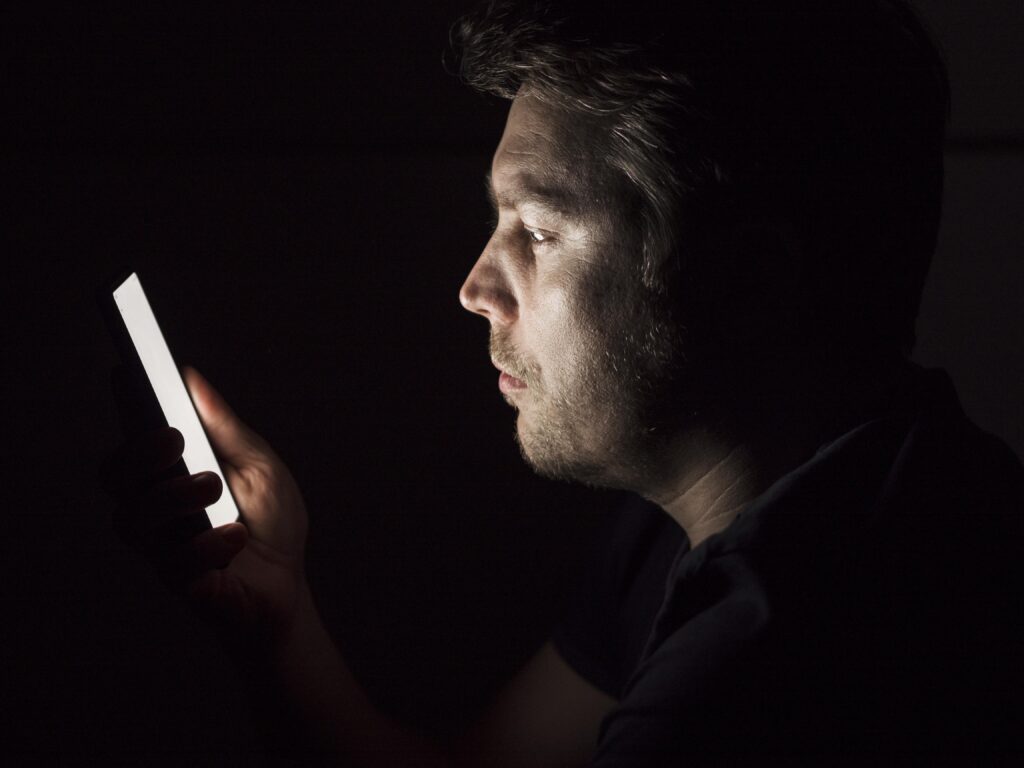
Dwight Zahringer, a digital consultancy focused on online behavior and engagement, notes that AI chatbots are a rapidly growing trend, allowing people to connect emotionally more quickly.
AI companion platforms like Character, AI, and platforms like Replika are bridging the emotional gap between humans and others, especially for Gen Z users who have never felt as emotionally connected to technology as they do now.
According to Zahringer’s research, people consider chatbots to be good advisors and non-judgmental friends, and he also said that they are not yet having a fully negative impact.
While AI technology can be a great support for mental health, they also say that if people focus too much on or rely on AI chatbots, it could lead to the loss of real-world emotional healing. They warn developers that AI companionship must have ethical guardrails, including user consent signals and time limits. As AI evolves, so too must data privacy.
Ethical Issues and Social Impact of AI Companionships :
Tessa Gittleman, a licensed marriage and family therapist, believes that AI companionship is a widespread phenomenon—but no long-term research has yet been conducted on it.
She explains that there is an easy solution to loneliness, emotional well-being, and the learning gap. A lot of research has been done on this. When AI is combined with easy accessibility, it’s not wrong to say that AI companionship is becoming commonplace.
Gittleman explains that she has a client who uses AI to test her thinking, meaning she likes to interact with a system that doesn’t compare or judge her. Some clients have trained their AI to mimic their voice tone. During their therapy sessions, they talk to the AI in between sessions, seeking help from it.
He asked a good question: if so many people feel lonely, why don’t they communicate with another human being?
Gittleman explained that the responsiveness and flexibility of an AI are even better than a therapist, but they lack the authenticity of real human feeling and connection.
According to him, the ethical and cultural impacts of AI relationships are very complex. This raises the question: how does the concept of consent apply to AI? And if someone is receiving therapy from AI, is that system working according to state rules?
How Human-AI Relationships Are Shaping the Future :
Mircea Dima, a software engineer and CEO & founder of AlgoCademy, wasn’t shocked to see people feeling emotional attachment to AI chatbots—it’s clearly normal now.
His company is an AI-powered coding school that prepares students for technical interviews. Dima has been closely observing the growing emotional interactions between AI and humans.
He said that a survey showed that more than 30% of Replika users have their AI companion become one of their closest friends. By 2023, Replika will have over 10 million users.
Meanwhile, Character.AI—a platform where people interact with AI personas—was receiving over 100 million visits per month. Dima explains this is not just a novelty, but also proof of “emotional relevance.”
He believes AI technology is growing faster than cultural discussion.
In Dima’s words: “Today, human emotional intelligence has become a product that can be sold in the market.”

OpenAI–AMD Evolution in Data Center Technology : 2025
AMD is a company that has played a much bigger role in future AI than anyone could have imagined.




2 Comments
[…] AI Companionship : 2025 […]
[…] AI Companionship : 2025 […]